Contact:
11 Mount View
Billericay, Essex CM11 1HB
Alden Rose
ARCHITECTURAL DESIGN

Certified Passive House Consultant
Member of the International Passive House Association
Member of the Passivhaus Trust
enquiries@aldenrose.co.uk
+44 1277 651000
IPHA Membership
ID No. 65104
Copyright 2025 Alden Rose Ltd
Follow Us:



Alden Rose
ARCHITECTURAL DESIGN
What is Building Control and Why do I need it?
Who’s Who: Understanding Your Roles
Recent changes to the Building Safety Act introduced clearer responsibilities for everyone involved in a project.
The Client
As the property owner or developer, you are legally responsible for ensuring that your project complies with Building Regulations. You must appoint suitably competent professionals and formally name your Principal Designer and Principal Contractor before work starts.
The Principal Designer
Usually your architectural designer, this role is responsible for planning, managing, and monitoring the design phase. They ensure that safety, accessibility, and sustainability are considered in every aspect of the design, and that information is shared with everyone involved.
The Principal Contractor
This is the person or company responsible for managing the construction phase, ensuring that the site is safe and that the build meets the approved design and technical standards. They must coordinate subcontractors and maintain compliance throughout the build.
Approved Inspectors vs Local Authority
There are two main routes for Building Control approval: through your local authority or through an Approved Inspector (now known as Registered Building Control Approvers). Both carry out the same statutory checks, but an Approved Inspector is a private company licensed by the Building Safety Regulator to provide the same independent oversight.
In practice, many homeowners prefer using Approved Inspectors because they often offer more flexible site visits and faster response times. However, both options work to the same set of national standards — the Building Regulations — and will only issue a Completion Certificate once the project fully complies.
Why It Matters
Building Control isn’t just a box-
- Structural stability and fire safety
- Proper insulation, drainage, and ventilation
- Safe electrical and heating installations
- Compliance with accessibility and energy efficiency standards
Your Building Inspector acts as an independent check — visiting the site at key stages, reviewing drawings and certificates, and issuing a Completion Certificate once everything meets the required standards.
In Summary
Building Control gives confidence that your home has been designed and built correctly — safe, compliant, and future-
Alden Rose Ltd
Certified Passive House Designers
Designing low-
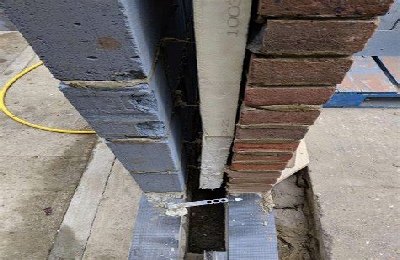
Under the Buildings Act, all building works need to be assessed and certified by an independent Building Inspector to ensure that the design and workmanship meet the current Building Regulations.
That means your architectural designer and builder must demonstrate that they are competent, knowledgeable, and that the work has been carried out correctly and safely.
Building Control exists to make sure that buildings are safe, healthy, and energy efficient — protecting you, future occupants, and the public.
Whether you’re building an extension, converting a loft, or constructing a new home, your project will need Building Control approval at various stages, from design through to completion.